
A family tragedy helped me present my authentic self to the world. Here’s what I learned from my Dad’s bike accident.
I’ll never forget the words, “Your dad has been in a motorbike accident. He’s in intensive care at North Shore Hospital. You need to come right away.” It was late 2016 and it was a phone call that changed my family’s life forever.
The medical team weren’t sure if my dad would make it. He had significant injuries to his body as well as his brain. Luckily he pulled through and, after six months in rehab, made a miraculous recovery. But nothing was ever quite the same.
The experience put immense strain on my family, particularly my mother. It also made me think more deeply about the fragility of life, the value of human connection, and the importance of presenting our authentic selves to the world. As is often the case with personal tragedy, it ignited a major personal transformation.
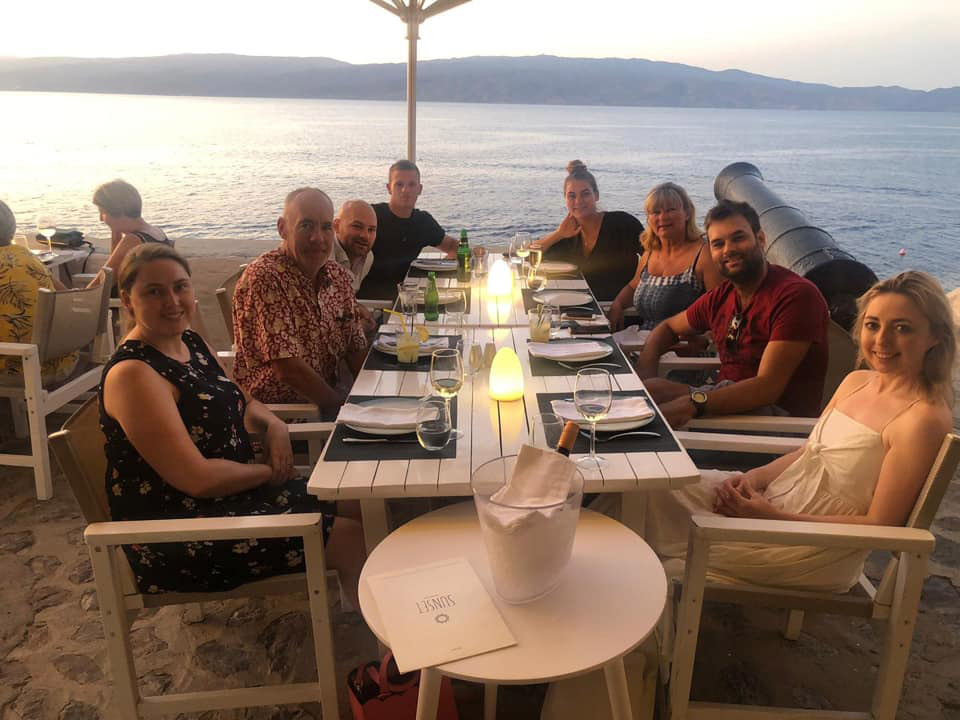
In my career as a business transformation and turnaround coach, I naturally kick into ‘fix it’ mode during a crisis. After my dad’s accident, I started managing the people around me including my mother, sister and brother. But I was struggling just as much as everyone else.
Despite many of the changes in my dad being positive, I was grieving the loss of the father I had known. My grief manifested in anger. Anger at my father for choosing to compete in a motorbike race. Anger at the impact it was having on the people I love. Anger at the world.
I had to give myself the space and permission to feel the pain and grieve. I learned that I don’t always have to be Mr Fix It. I’m allowed to struggle. I’m allowed to be vulnerable. Only by validating and feeling my feelings, was I able to move past the anger and heal.
Despite some dyslexia due to the hypoxia he suffered, my dad was deemed to have made an almost full recovery. But the father I had known for 30 years was gone. His near death experience combined with some of the frontal lobe injuries, had transformed him from a stoic, slightly unavailable Baby Boomer to a more open, vulnerable and loving person. As a result of facing death, he developed a greater appreciation for his life and became far more ‘present’ as a husband and father.
The transformation in my father made me realise how important it is to be fully present in my own life – to authentically connect with my colleagues and loved ones, to make time for the hobbies and experiences that give me joy, and to pursue a career that truly fulfills me. I also learned that professional masks are a waste of time and only serve as a barrier to connection. These days I’m comfortable presenting my full self to the world and make no apologies for being human.
While I hope to never receive a phone call like that again, I’m grateful for everything the experience taught me. I know I’m a better man and a better coach because of it. Too many people, especially men, are afraid to express their vulnerability for fear of judgement. By sharing our struggles, we normalise them. And that gives us the best opportunity for creating happy, healthy, psychologically safe environments, both at home and at work.
It’s one of the hallmarks of a workplace where connected, empathetic leadership reigns which is why it’s incorporated in my business transformation framework. I’d love to chat you through it if you need guidance on organisational change. And if you have an upcoming podcast or panel discussion in the works, consider handing me the mic so we can end the stigma around mental health and build workplaces where people are free to present their full selves.
Exploring a new world requires practice, collaboration and courage. Here’s why business transformation is a lot like scuba diving. Yes, really.
Read MoreLearn how to move from “I can’t and I won’t’” to “I can and I will”. Sam shares the 5 things you’ll hear during a transformation and how to respond.
Read More


Share + Comment